
Practical cooking guide
A practical answer to ‘Aaj kya banaun?’
Turn a fridge check into a meal decision: choose an ingredient to use first, identify what is missing and plan the cooking order.
Published by Kitchen Handi · AI-assisted editorial guide · Published 26 October 2026. How we prepare our content
Start with what needs using, not a long recipe search
Open the fridge and choose one ingredient that needs attention today: a cut pepper, an opened tub of paneer, cooked chickpeas or a bunch of spinach. Then check its condition and storage history. A recipe finder cannot decide whether food is safe to eat. If you are unsure about an ingredient, leave it out rather than treating cooking as a way to rescue it.
Write three short lists: ingredients to use first, staples you actually have, and foods the household will not eat. Include oil, salt and spices explicitly. A cupboard containing rice does not automatically contain cumin, stock or ghee. This small check prevents an apparently suitable recipe from becoming an unexpected shopping trip.
Choose a cooking format before a dish
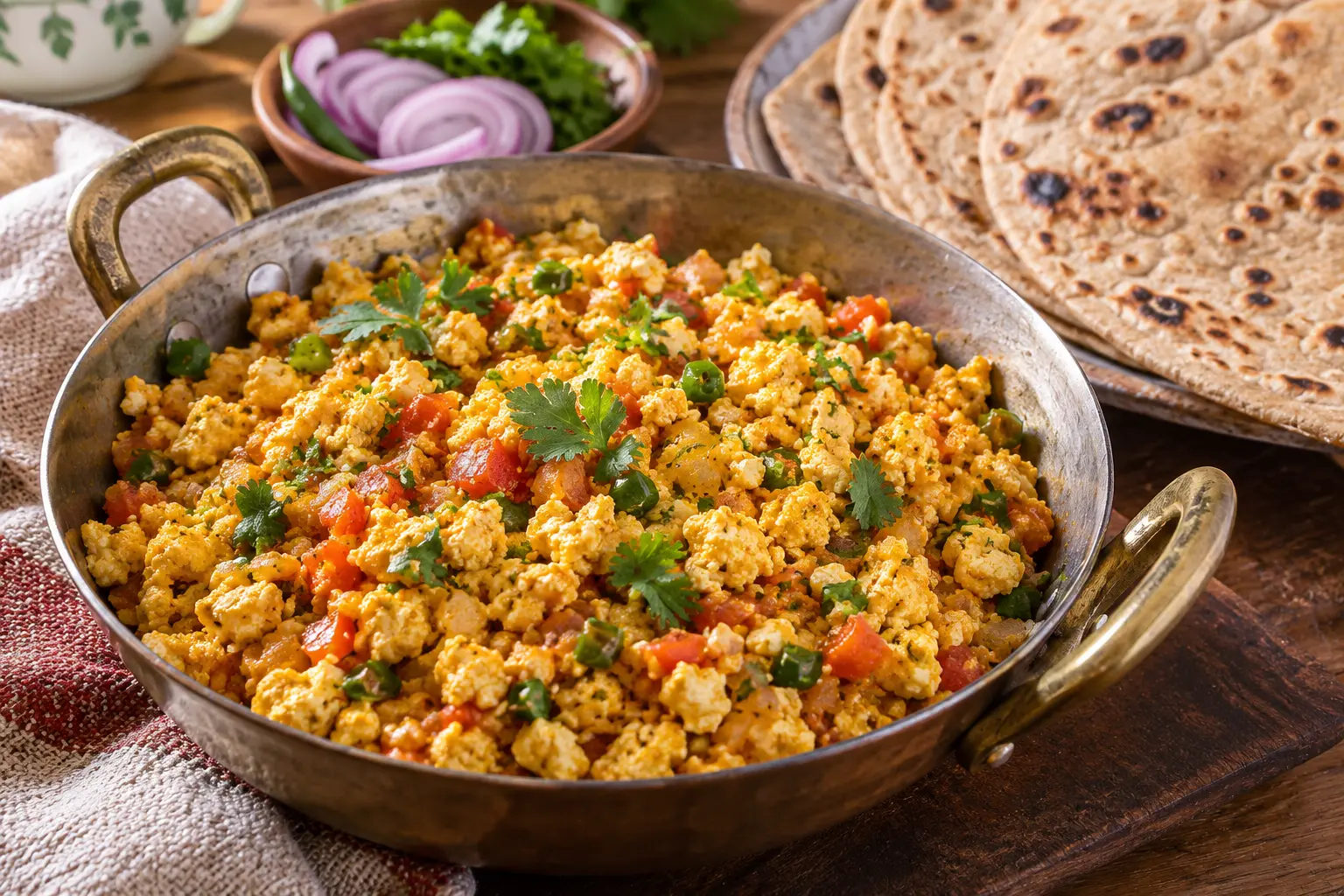
For a busy evening, choose between a quick pan meal, a soup and a rice or bread accompaniment. Paneer with onion and tomato points towards bhurji; lentils with aromatics can become soup; cooked pulses can form the centre of a bowl. The same main ingredient does not make every recipe equally convenient: a stuffed bread needs shaping, while a quick scramble does not.
Use the public ingredient finder to compare your list with actual recipe ingredients. A partial match is a shortlist, not a promise that the meal is ready to cook. Open the missing-ingredients list before choosing. Possible substitutions are labelled separately because a different rice, cut of meat or dairy product may need a different method.
Check three things before heating the pan
Read the full method once. Look for words such as soaked, cooked, chilled, marinated and fermented. A twenty-minute recipe that starts with cooked chickpeas takes longer if yours are dry. Check equipment too: a deep saucepan and a wide frying pan release moisture differently, and a blender may be necessary for the intended texture.
Put quantities, chopping tools and serving plates in place. If rice is an accompaniment, start it at the appropriate point rather than after the main is finished. For a stir-fry, prepare the sauce and vegetables first; for a slow simmer, use the waiting stage to chop a salad or wash up.
Make the next decision easier
After dinner, update the ingredients that ran out and note which dish the family enjoyed. Save the recipe to your account if you want to return to it. Keep a small rotation organised by effort—quick pan meals, one-pot meals and weekend projects—rather than expecting every evening to produce a completely new dish.
The aim is a meal you can finish with the ingredients, time and equipment available. An extra side dish is optional; an unrealistic cooking plan usually creates more waste and more work.
Recipes to put this into practice
- Quick Paneer Bhurji — Soft crumbled paneer cooked quickly with onion, tomato, green chilli and warming spices without becoming dry.
- Red Lentil Soup — Silky Arabic red lentil soup with cumin, vegetables and fresh lemon, blended smooth and adjusted to an easy pouring consistency.
- Mujadara — Earthy lentils and rice crowned with deeply caramelized onions, seasoned simply with cumin and finished with crisp onion strands.
- Aloo Paratha — Soft whole-wheat flatbreads filled with a dry, well-seasoned potato mixture and cooked until golden.
Try the ingredient finder · Leftovers and lunchbox guidance · Send a correction